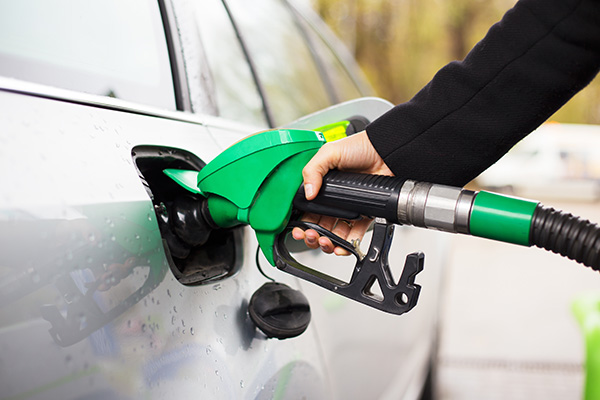
When filling the tank takes a larger bite out of the weekly budget, every extra stop at the pump becomes noticeable. You cannot control gasoline prices, but you can check whether your car and driving use more fuel than necessary.
Small improvements depend on your starting point. A car with low tires or a dragging brake has different opportunities from one already operating correctly. These seven steps focus on reducing avoidable fuel use while keeping the vehicle useful and comfortable. They are practical habits and checks, not a promise that every driver will achieve the same savings.
1. Keep Tire Pressure Correct for Better Fuel Economy
Check cold tire pressures against the vehicle's placard or owner's manual. Underinflation can increase rolling resistance, affect wear, and make the car work harder. The maximum pressure printed on the sidewall serves a different purpose and should not become your everyday target.
A pressure warning is useful, but it is not the only reason to check. Seasonal temperature changes and slow leaks can alter pressure before you notice a change in handling. If one tire keeps needing air, have the cause inspected. Adding air repeatedly can hide a leak that eventually leaves you stranded or damages the tire.
2. Use Smooth Acceleration to Stretch the Tank
Repeated hard acceleration burns fuel to get the vehicle up to speed, while late braking wastes much of that energy. Look ahead, leave a suitable following distance, and respond smoothly to ordinary traffic. Reduce speed appropriately rather than racing between closely spaced stops.
These habits can fit a normal Acworth commute without turning it into an unusually slow trip. Maintain safe traffic flow and use the speed appropriate to the road. Cruise control can help maintain a steady speed where conditions suit it, but it should not be treated as the correct choice for every road, weather condition, or traffic situation.
3. Reduce Unnecessary Idling to Save Gas
An idling engine uses fuel while adding no miles to the trip. Long waits with the engine running and extended warm-up periods can therefore reduce the distance you get from a tank. For many modern gasoline vehicles, gentle driving after the initial startup period warms the vehicle effectively.
Follow the owner's instructions for your model, weather, and powertrain. You still need clear windows and safe visibility before moving. Heating, cooling, medical needs, and other circumstances can also justify running the engine. The useful target is avoidable idling, not eliminating necessary comfort or attempting to drive before the vehicle is ready.
4. Remove Roof Equipment When It Is Not Needed
Roof boxes and some other exterior accessories increase aerodynamic resistance, especially as speed rises. Equipment that helped on a weekend trip can keep adding resistance throughout the following workweek. Removing it after use can reduce that continuing demand.
Follow the installation and removal instructions, and secure anything left on the vehicle. Consider how often you use the accessory before deciding whether it needs to stay fitted. The amount of fuel affected varies with the car, equipment, and route, so compare your own driving under similar conditions rather than assuming one accessory produces the same penalty everywhere.
5. Clear Unnecessary Cargo to Reduce Fuel Use
Extra weight takes energy to accelerate. Forgotten boxes, tools, and equipment can build up gradually until the car carries a load you no longer need. A quick review of the trunk or cargo area can remove that avoidable burden.
Keep items that support the way you actually use the car, including appropriate emergency supplies. If hauling equipment is part of your work, account for it when comparing mileage. A loaded vehicle's consumption will differ from an unloaded example. The aim is to remove cargo without a current purpose, not make the vehicle inconvenient for the next ordinary day.
6. Check Mechanical Problems That Waste Fuel
Engine-control faults, misfires, incorrect operating temperature, dragging brakes, and unsuitable alignment can affect fuel use. Some issues cause obvious changes, while others let the car keep driving with only a warning message or a gradual drop in mileage.
Arrange checks that connect the symptom with measured findings. A scan code can guide the work, but it does not automatically identify the part that needs replacement. Follow scheduled maintenance and use the required oil specification. A fluid change or filter replacement should address a requirement or confirmed condition rather than come with a universal promise of better mileage.
7. Use the Fuel Required by Your Vehicle
Premium gasoline is not automatically a fuel-economy upgrade. Some engines require a specific octane level, while others recommend it under certain conditions or allow regular fuel. Follow the manual's distinction between required and recommended grades for the exact engine.
Paying for a higher octane than the vehicle can use does not necessarily buy more miles. Using a lower grade than required can also be a poor decision. Ask if the instructions are unclear, especially after buying a used vehicle. The correct fuel supports intended operation; the highest price on the pump is not by itself a measure of suitability.
Measure Fuel Savings Across Comparable Driving
Use miles driven and gallons added to calculate fuel economy over several tanks. Keep your filling approach consistent, and don't keep topping off after the pump's normal shutoff. A dashboard estimate can help show a trend, but one unusual tank is not a complete comparison.
Weather, traffic, air conditioning, towing, and short trips can all change the result. Note those differences before concluding that a service failed or the car has developed a problem. If consumption changes sharply without an obvious driving explanation, bring the records to the shop. They give the inspection a more useful starting point than the pump bill alone.
Plan Fuel-Economy Maintenance Around Actual Findings
A healthy car may only have modest room for improvement. A neglected vehicle or confirmed fault can offer a different opportunity to recover lost efficiency. The service explanation should make that starting condition clear and distinguish fuel-related repairs from other needed maintenance.
Keep useful records, respond to warning messages, and check pressures regularly. Combine proper maintenance with sensible driving to see what you can realistically improve.
Get Fuel-Economy Service in Acworth, GA
KAMS Auto Service Center in Acworth, GA, can review fuel-use concerns and maintenance that supports efficient operation. Tell us when your mileage changed and bring any records that help compare your usual driving.
Contact us to schedule fuel-economy checks for your vehicle.