Posted on 10/30/2026
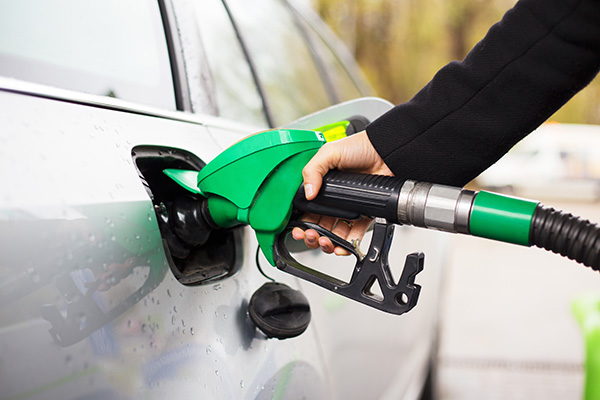
When filling the tank takes a larger bite out of the weekly budget, every extra stop at the pump becomes noticeable. You cannot control gasoline prices, but you can check whether your car and driving use more fuel than necessary. Small improvements depend on your starting point. A car with low tires or a dragging brake has different opportunities from one already operating correctly. These seven steps focus on reducing avoidable fuel use while keeping the vehicle useful and comfortable. They are practical habits and checks, not a promise that every driver will achieve the same savings. 1. Keep Tire Pressure Correct for Better Fuel Economy Check cold tire pressures against the vehicle's placard or owner's manual. Underinflation can increase rolling resistance, affect wear, and make the car work harder. The maximum pressure printed on the sidewall serves a different purpose and should not become your everyday target. A pressure warning is useful, but it is no ... read more