Posted on 8/28/2026

The term tune-up has changed quite a bit over the years. Older cars needed regular adjustments to ignition timing, carburetors, points, and other mechanical components. Modern vehicles rely on electronic fuel injection, computer-controlled ignition, and onboard sensors, so there usually isn't a single service called a tune-up anymore. Today, a tune-up is better thought of as a group of maintenance and repair items that help the engine start, idle, accelerate, and use fuel properly. The exact work depends on mileage, vehicle age, service history, and the symptoms you are experiencing. Your Engine Is Running Rough A healthy engine should idle at a fairly steady speed. If the vehicle shakes noticeably at a stop, the engine speed rises and falls, or the car feels uneven during acceleration, something needs attention. Worn spark plugs are one possible cause, but they are not the only one. Ignition coils, vacuum leaks, dirty fuel injectors, fuel pressure problems, ai ... read more
Posted on 7/31/2026
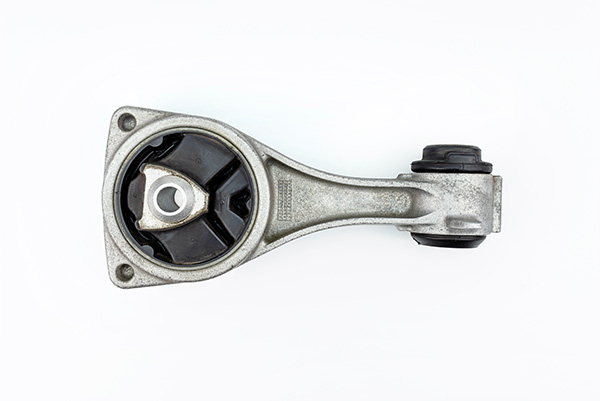
Engine and transmission mounts do more than hold heavy components in place. They also absorb vibration, limit drivetrain movement, and keep normal engine operation from shaking the entire vehicle. When a mount starts to crack, collapse, or separate, the change can be subtle at first. Drivers commonly notice more vibration, a dull clunk, or a rougher feel when the vehicle shifts into gear. Those symptoms can resemble engine, transmission, axle, or suspension trouble, so the timing and location of the movement are important. Here are six signs that the mounts deserve a closer inspection. 1. Stronger Vibration While Stopped A worn mount can send engine vibration directly through the vehicle’s body. You may feel a steady buzz in the steering wheel, seat, floor, dashboard, or center console while waiting at a red light. The engine itself may sound normal, but the cabin feels rougher than it did before. The vibration can intensify when the transmission is placed in ... read more
Posted on 6/26/2026

A used car can look like the right choice during a quick walkaround. The paint is clean, the interior is detailed, and the seller has a folder of paperwork ready to show you. Even the test drive can feel fine if the route is short and the vehicle is already warmed up. That is why a professional pre-purchase inspection is so useful. It gives you a deeper look before the sale is final. A technician can check areas most buyers cannot see in a driveway, including leaks, hidden wear, old repairs, warning codes, tire problems, brake condition, and signs that the vehicle was not maintained as well as it appears. Hidden Engine Leaks And Fluid Problems Leaks are among the first things a technician looks for during a pre-purchase inspection. Engine oil, coolant, transmission fluid, brake fluid, power steering fluid, and differential fluid can all leave clues. Some le ... read more
Posted on 5/29/2026
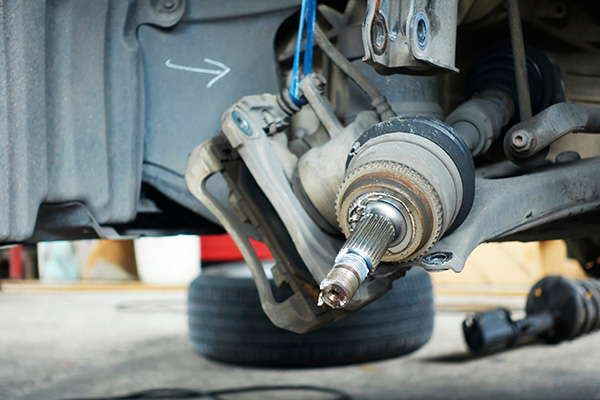
A torn CV boot sounds like a small rubber problem until you see what it protects. The car may still drive fine. No warning light, no major noise, no big puddle. Maybe there is only a little grease on the inside of the wheel. That grease is the warning. Once the CV boot opens up, the CV joint is no longer sealed. Grease gets out, dirt gets in, and the axle starts wearing in a way it was never meant to. What The CV Boot Protects A CV axle sends power from the transmission or differential to the wheels while still allowing the suspension to move and the wheels to turn. The joints at each end of the axle handle those changing angles. They work hard every mile, especially during turns and acceleration. Inside each joint are metal surfaces packed with heavy grease. The CV boot wraps around the joint and keeps that grease in place. It also keeps out water, sand, road salt, and grit. When the boot is sealed, the joint can last a long time. When it tears, the countdown sta ... read more
Posted on 4/15/2026

A rough idle is one of those issues drivers notice quickly but do not always understand. The car shakes at a stop, the RPM feels unstable, or the engine sounds off. Since the vehicle still drives, many people hesitate to act right away. That delay is where confusion builds. Rough idle can come from several systems, so asking the right questions helps narrow down the cause and avoid unnecessary repairs. 1. Why Does My Car Idle Rough At A Stop? A rough idle usually means the engine is not running evenly across all cylinders. That can be caused by worn spark plugs, weak ignition coils, airflow issues, or fuel delivery problems. The car may feel fine once you start driving, which is why it gets overlooked. The idle condition still points to something that needs attention. 2. Can Bad Spark Plugs Cause Rough Idle? Yes, worn spark plugs are one of the most common causes. As they age, they lose the ability to ignite fuel consistently. That uneven combus ... read more
Posted on 3/15/2026

Booking a car service is not the hard part. The hard part is knowing what to ask before you drop the keys off, especially if you’re trying to avoid surprise calls and confusing recommendations. A little clarity up front makes the whole visit go better, and it helps you decide what’s worth doing now versus what can wait. Here are the questions drivers ask right before they commit. Why These Questions Are Important Before You Book A good FAQ list is about making sure you’re not walking in blind, especially when a warning light or noise is making you uneasy. When you ask the right questions, you get better answers and a clearer plan. It also saves time. We see service visits move faster when the driver can describe what changed, when it happens, and what has already been done recently. That context keeps the process focused. What To Ask About Scheduling And T ... read more
Posted on 2/26/2026

Foggy or cloudy headlights are more than just a cosmetic issue—they can seriously reduce nighttime visibility and make driving less safe. Over time, headlight lenses become oxidized from sun exposure, road debris, moisture, and environmental contaminants. The good news is that mild to moderate fogginess can often be improved with some simple DIY methods. If your headlights are looking dull or yellowed, these tips can help restore clarity and improve safety. It’s also important to know when a DIY approach is enough—and when professional service is the better option. Why Headlights Become Foggy Most vehicles use plastic (polycarbonate) headlight lenses instead of glass. While plastic is lightweight and durable, it’s more susceptible to oxidation. UV rays from sunlight gradually break down the protective coating on the lens, causing a cloudy or yellow appearance. Additional contributors include exposure to road salt, chemicals, dirt, and weather extremes. Over ... read more
Posted on 1/30/2026

A spare tire feels like a clean escape hatch. You get the flat off the road, tighten the lugs, and tell yourself you will deal with the real fix later. The problem is, a spare changes more than most drivers realize, and the risks tend to build quietly with every mile. If you have been rolling around on one longer than you planned, there are a few reasons to take it seriously before it turns into a second problem. Common Reasons Drivers End Up On The Spare Most spare-tire situations start with something simple, a nail in the tread, a pothole hit, or a slow leak you did not notice until the tire was too low. Sometimes the tire looks fine from the outside, but the sidewall is damaged, and it cannot safely hold pressure anymore. Other times, the tire is repairable, but you are stuck on the shoulder, and the spare is the fastest way to get moving. The issue is not using the spare. The issue is treating it like a normal tire for normal driving, especially at highway speed ... read more