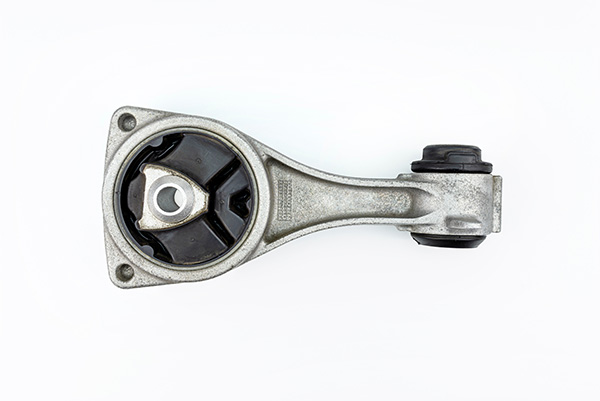
Engine and transmission mounts do more than hold heavy components in place. They also absorb vibration, limit drivetrain movement, and keep normal engine operation from shaking the entire vehicle. When a mount starts to crack, collapse, or separate, the change can be subtle at first.
Drivers commonly notice more vibration, a dull clunk, or a rougher feel when the vehicle shifts into gear. Those symptoms can resemble engine, transmission, axle, or suspension trouble, so the timing and location of the movement are important. Here are six signs that the mounts deserve a closer inspection.
1. Stronger Vibration While Stopped
A worn mount can send engine vibration directly through the vehicle’s body. You may feel a steady buzz in the steering wheel, seat, floor, dashboard, or center console while waiting at a red light. The engine itself may sound normal, but the cabin feels rougher than it did before.
The vibration can intensify when the transmission is placed in drive or reverse while the brake is held. That adds load to the drivetrain and presses against the mounts. If the shaking eases in park or neutral, a weak mount becomes more likely, although engine performance still needs to be checked.
2. A Clunk When Selecting Drive Or Reverse
The engine and transmission naturally shift slightly when the vehicle changes from park into drive or reverse. Healthy mounts keep that motion controlled. A damaged mount can allow the drivetrain to move farther before it catches, resulting in a dull clunk or a heavy thump.
The sound may seem to come from beneath the hood, under the floor, or near the front seats. Worn axles, loose suspension components, internal transmission issues, and exhaust contact can cause similar noises. Watching drivetrain movement during a controlled test helps determine whether a mount is allowing excessive travel.
3. Shaking That Gets Worse With The A/C On
Turning on the air conditioning adds load because the engine has to power the compressor. A good mount absorbs the small increase in movement, so the driver notices little more than a slight change in engine sound. A weak mount can make the steering wheel, seat, or dashboard shake noticeably each time the compressor engages.
A dirty throttle body, worn spark plugs, weak ignition coils, or a struggling A/C compressor can also create roughness under added load. For that reason, the engine should be checked for misfires and unstable idle before the mount is blamed. Replacing a mount will not correct an engine that is running unevenly.
4. A Jolt Or Shudder During Acceleration
Acceleration twists the drivetrain against its mounts. When one mount has separated or collapsed, the engine or transmission can shift before the vehicle begins moving forward. The driver may feel a jolt, brief shudder, or heavy bump when leaving a stop.
The same sensation can appear when you suddenly lift off the gas because torque changes direction. Inner CV joints, driveshaft parts, transmission wear, and ignition misfires can also cause acceleration vibration. A mount-related jolt is more likely when accompanied by extra movement during gear selection or a noticeable thump from beneath the vehicle.
5. Excessive Engine Movement
An engine should move slightly when the throttle is applied, but it should not jump, lift sharply, or rock heavily. Too much movement can mean that a mount has torn away from its bracket, lost hydraulic fluid, or compressed far below its original height.
Excessive movement places strain on the remaining mounts because they must absorb forces that were meant to be shared. It can also pull on wiring, coolant hoses, fuel lines, intake tubing, and exhaust connections. What begins as a vibration complaint can eventually damage parts surrounding the drivetrain.
6. Visible Cracks, Leaks, Or A Lower Engine Position
Some mount failures leave visible evidence. Rubber can crack deeply, separate from metal, or appear crushed. Hydraulic mounts may leak a dark fluid that resembles oil around the mount body. The engine or transmission may also sit lower on one side.
Not every mount is easy to see from above. Some are hidden under brackets, air intake parts, battery trays, or support frames. A complete inspection compares mount heights, checks for contact marks, and examines engine and transmission movement, rather than relying solely on what is visible with the hood open.
Why Worn Mounts Should Be Repaired Early
A failing mount does not always prevent the vehicle from driving, which is why repairs are sometimes delayed. Extra movement can eventually crack an exhaust flex pipe, stretch hoses, loosen connectors, or cause metal parts to touch the body. The vibration also becomes harder to trace once several mounts and nearby components have been affected.
Regular maintenance and inspection help catch worn rubber and hydraulic mounts before the drivetrain starts moving excessively. In some vehicles, replacing one failed mount is enough. In others, several mounts have aged together and need to be evaluated as a group so the repaired drivetrain sits at the correct height.
Get Engine And Transmission Mount Repair In Acworth, GA, With KAMS Auto Service Center
If your vehicle vibrates at idle, clunks when shifting, or jolts during acceleration, KAMS Auto Service Center in Acworth, GA, can inspect the engine and transmission mounts and other potential causes of the movement.
Contact us to schedule an appointment before worn mounts place additional strain on surrounding components.